- Thread starter
- #201

Jabrosky
Banned

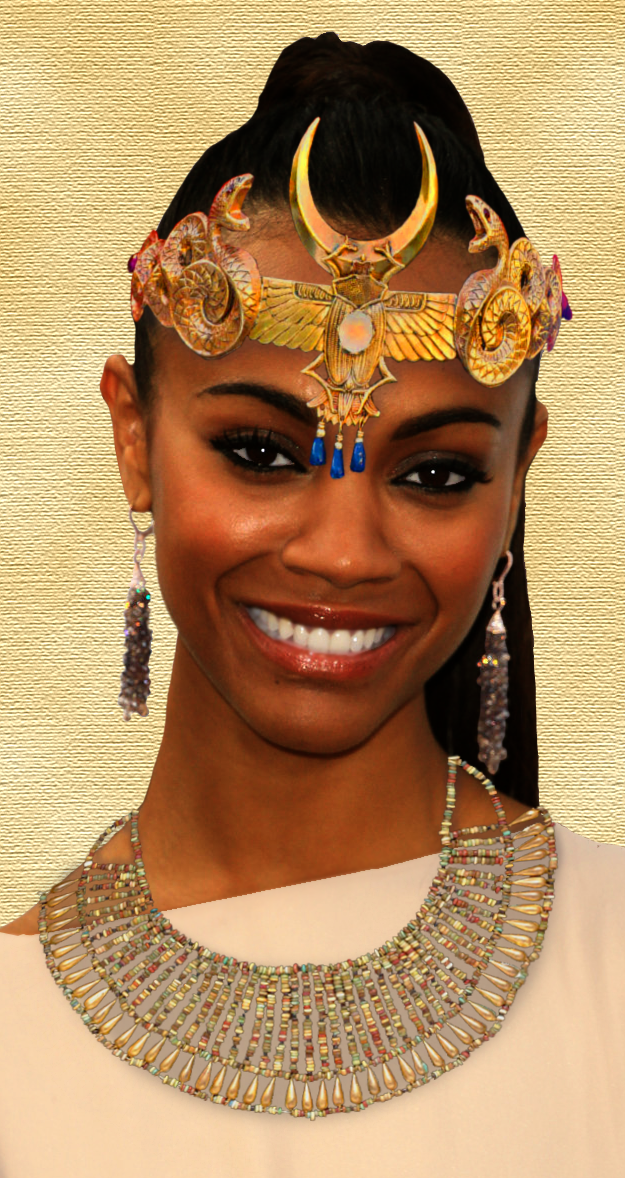
Cleopatra as Isis
Cleopatra VII, the most famous Cleopatra, dresses up as the goddess Isis to appeal to her Egyptian subjects. Most of the time I draw Cleopatra in Greek clothing to reference the Macedonian side of her heritage, so this is the first time I've given her a native Egyptian outfit. Whereas most Ptolemaic rulers before her shunned the indigenous Egyptian culture, Cleopatra VII actually went out of her way to learn the native language and reach out to the Egyptian people. The classicist Sally Ann-Ashton has even argued that Cleopatra identified more with Egypt than any other culture, analogous to how Barack Obama and other biracial people tend to choose a Black identity for themselves today.
As for Cleopatra's green eyes, I wanted to channel the model Tyra Banks with this depiction.

Kushite and Greek Soldiers
Two soldiers from the ancient world, an archer from Kush (aka Nubia or Sudan) and a spearman from Greece. Unfortunately my little scanner required that I cut off their feet from the picture.
These concept sketches are actually preparation for my Drawing and Composition class's final project towards the end of the semester. What I want to do is draw a big battle between Kushite and Greek forces, with the Kushites led by their legendary warrior king Memnon. You could call it an illustration of Greek mythology.
Those lines on the Kushite archer's faces are meant to represent ritual scars. Today scarification is associated with South Sudanese groups, but some ancient Egyptian wall reliefs depict Kushite warriors as having these scars on their foreheads.

Ready to Fire
This archer from ancient Kush (Nubia) is ready to loose a flaming arrow. The Kushites were famous for their archery most of all (the Egyptians even called their country Land of the Bow), but the flaming arrow is my artistic speculation.

Kushite Infantryman
A common infantryman from ancient Kush, a kingdom in what is now Sudan that jostled against Egypt over dominance of the Nile Valley. Like their Egyptian counterparts, Kushite warriors used cowhide shields as their main protection, but pictorial evidence from one of Pharaoh Tutankhamun's chests suggests that Kushite shields had a more oval shape.