Every time I ask other fantasy writers a question about the worlds I create, one of them will inevitably respond, “What does this matter to your story?”
That’s because many new writers, influenced by roleplaying games and the illustrations featured in our favorite fantasy novels, are prone to view worldbuilding as filling in the gaps on a map, cataloging the monsters, or finding new ways to justify fireballs. But these details alone do not create immersion.
Hobbyists build worlds. Authors build settings.
Continue Reading »
World-building is a topic that comes up often in fantasy writing circles. If you’re writing epic fantasy, most often it’s going to be in a world of your own creation. Even if you’re writing in our own world, if you have fantasy elements in your story (e.g., magic, mythical creatures, necromantic hamsters), then you have to do at least a tad bit of word-building.
However, how much world-building is too much? How much is too little?
Some people may be extensive world-builders, laying out ten thousand years worth of history, historical texts, dead languages, extinct races, etc. Others may be minimal world-builders, relying only on a handful of elements to power their story forward. So which method of world-building is better, both for your readers and for your writing?
Continue Reading »
We all want our protagonists to be engaging and for our readers to root for them. One way to achieve this is to give the protagonist a goal which the reader sympathises with.
For some, it is to save a life or find something of value. For others, it is to change the world, to pursue a grand cause and improve life for thousands of people.
But it isn’t always that simple.
What cause do you pick, and how do you make it relevant and believable?
Continue Reading »

How you handle crime and punishment in your fantasy world is an important aspect of creating a vibrant and real culture. The legal system you create should reflect how society views law generally, as well as the values of society.
This article provides a starting point for considerations of criminal law in your fantasy world.
The Source of Law
At the outset, you should decide where laws originate in your society. This is not necessarily limited to deciding which individuals or bodies make the law. Take it a step deeper. It is useful to examine two broad categories for the ultimate source of law – Divine Right and Natural Law.
Continue Reading »
Maintaining your audience’s suspension of disbelief is a challenge that every fantasy writer must face. Obtaining, and holding, that suspension relies on your ability to convey a believable story, setting, and cast.
If the suspension of disbelief is dissolved, so is the reader’s will to continue on with the story.
So, how do we make fantasy believable?
Continue Reading »
In two previous articles, I’ve talked about ways to help authors better understand their characters, as well as techniques for using fantasy to enhance the stories those characters are a part of.
With this article, I’m going to take a departure from the style and nature of those posts to try and put my words into context. I want to talk a little about how I’ve used this advice in one of my own fantasy projects as a Case Study to help other authors consider their own work.
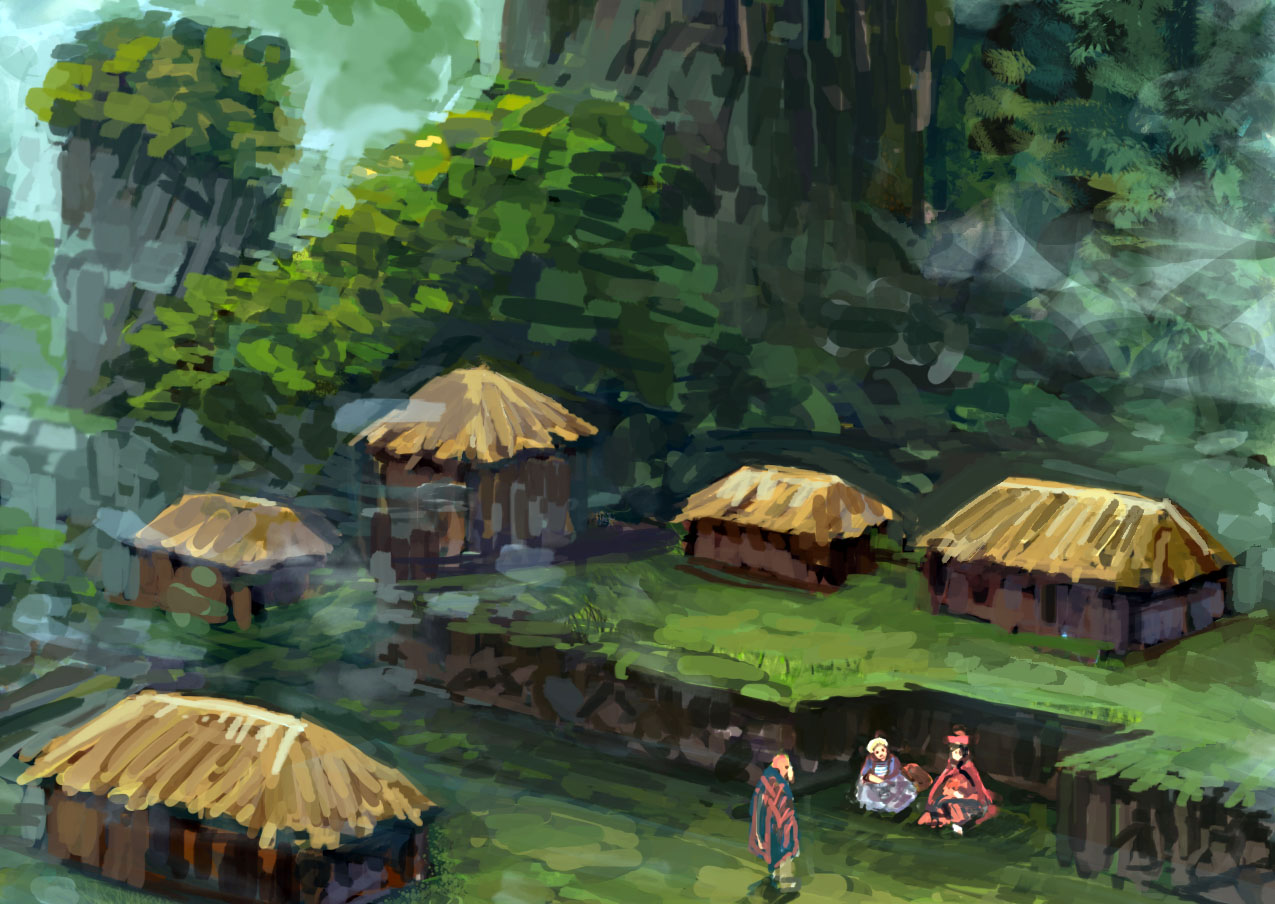
Today I’m going to tell you about the story of a character named Breldin and the thought process I used to create a town called Trindall Grove.
Continue Reading »

Gerard Butler in 300
When others learn I am a writer, one of the most common questions I am asked is “where do you get your ideas from?” Now the obvious answer is “everywhere,” because life is inspiration for fiction. But one of those places where it is easiest to draw the direct correlations between what I see or learn and what I write is in history.
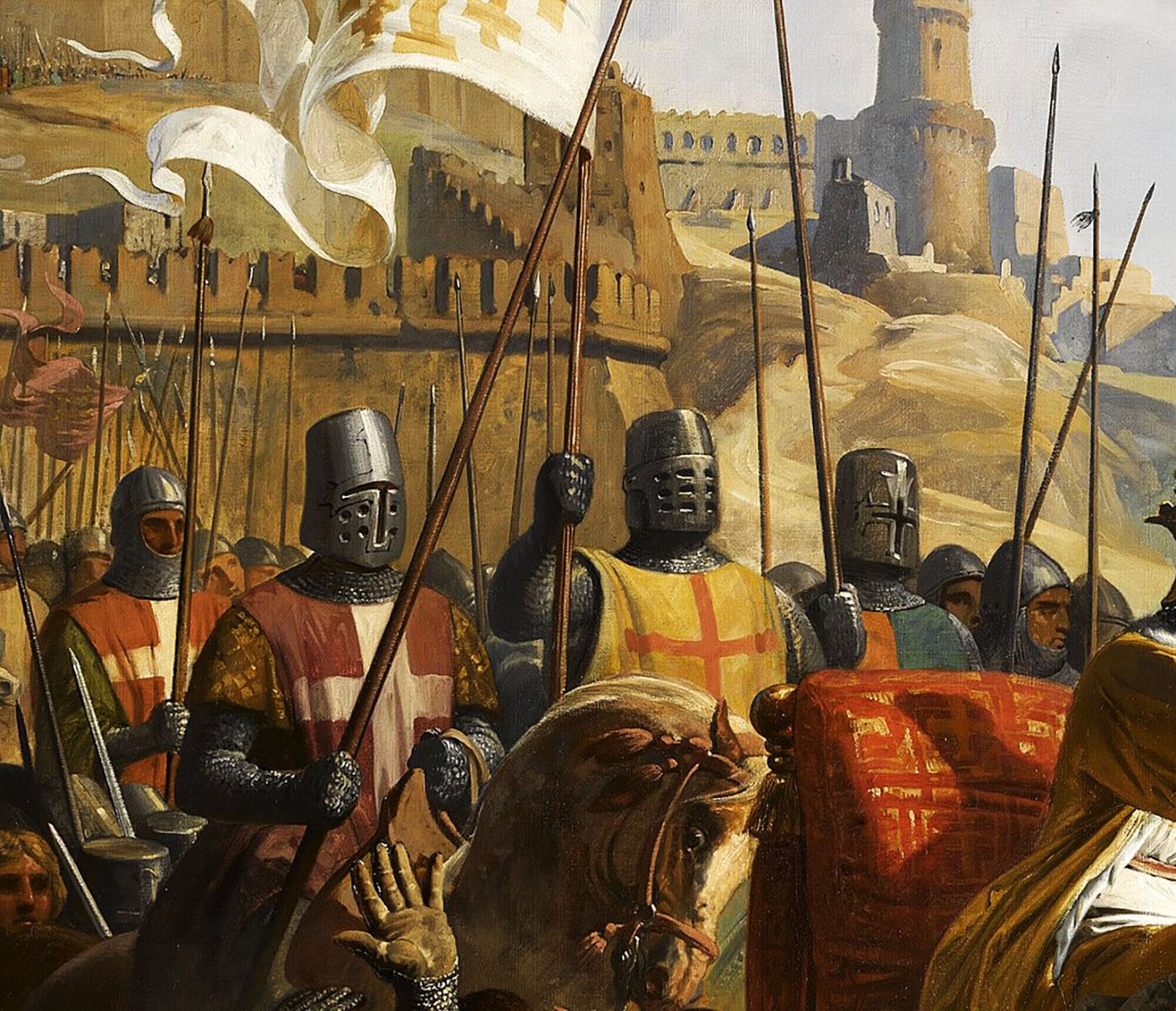
Some of you might, at this point, be thinking, “Oh yes, kings and knights and castles and all that. What’s new about that in fantasy?” But history encompasses so much human lived experience, and we can use it in far more intricate and interesting ways than just including an idealised image of the medieval world.
Continue Reading »
This article is by S.G. Rogers.
I’m a fantasy author who enjoys building worlds. Perhaps my interest in world-building stems from the wonderment I feel in the presence of beauty. Magic exists in the waterfalls of Brevard County, North Carolina, the stunning views at Big Sur, and the Carlsbad Caverns, New Mexico. Magic radiates from the paintings of Michelangelo, the castles of Europe, and the sculptures of Bruno Torfs in Australia. When I experience this magic, I feel compelled to communicate my sense of awe in the stories that I write.
I’ve sold eight fantasy manuscripts so far on the strength of my world-building, with two sequels in the works. Although each project has its own unique challenges, my approach to world building involves a few common principals.
Continue Reading »
This article is by Terry W. Ervin II, author of Blood Sword.
It is often said, “Write what you know.” This can be a stumbling block for some writers. How do you convincingly write a dastardly or evil character in a novel if you’ve never acted or done such things? That is where Role Playing Game (RPG) experience can benefit a writer.
Whether it’s space adventure (as in Traveller), sword and sorcery (as in AD&D) or even spy and espionage intrigue (as in Top Secret)—okay, you as the reader may be muttering, “Man, those games are old—no, near ancient.” But those are examples of games that I cut my RPG teeth on years ago, and those led to the foundation for some of my writing and storytelling ability. Even games like Diplomacy, Star Fleet Battles, King Maker, Axis & Allies, and yes, even Monopoly, can add a more strategic overview that may be of benefit to a writer.
Continue Reading »

The Holy Grail
This article is by Darren Andrews.
Fantasy can be a potent form of writing if you understand how to use symbolism and maintain the inner consistency of reality.
J.R.R. Tolkien, perhaps the greatest of all fantasy writers, observed that “the realm of fairy-story is wide and deep and high and filled with many things…” (“On Fairy- Stories”, Tree and Leaf, p. 9).
Fantasy literature is purposely imaginative. The author of fantasy has the ability to engage the reader’s imagination more powerfully than the author of another genre – if it is done correctly. High fantasy has a very clear purpose in doing this: it is to take the reader on a journey to reaffirm certain principles of good and evil, of morals, of the spiritual and unseen. Fantasy breaks free of any attachment to political correctness or populist thought.
Continue Reading »